Lessons From a Recent A303 Lorry Crash
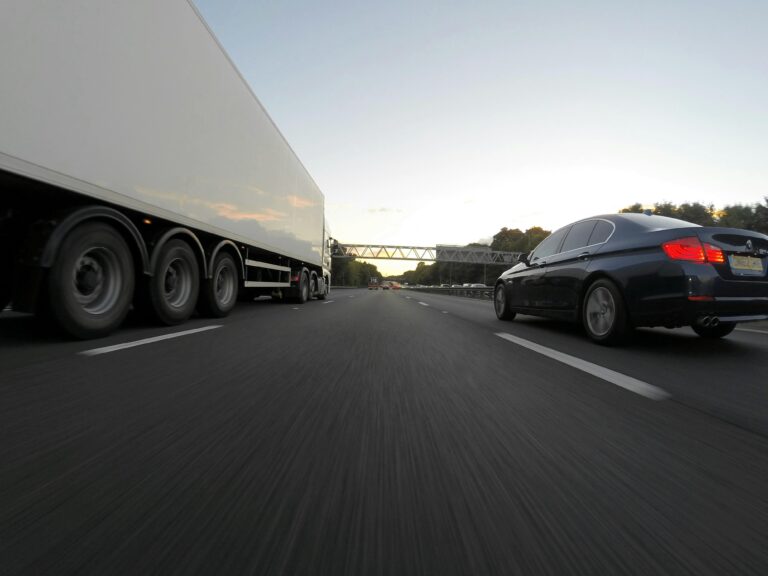
A recent report of a lorry crash on the A303, where a driver was arrested on suspicion of drink-driving, is more than a news headline. Incidents like this act as a harsh reminder to transport operators across the UK that impairment behind the wheel is never just an individual issue.
When a commercial vehicle is involved, enforcement agencies look beyond the driver. They examine the operator’s systems, management controls, and safety culture. What may appear to be one person’s lapse can quickly become a regulatory and corporate matter.
Commercial Driving Impairment Raises Business Risks
Driving an HGV demands constant attention, clear judgement, and fast, accurate reactions. At up to 44 tonnes, these vehicles require longer stopping distances and leave zero room for error. Alcohol or drugs, even in small amounts reduces reaction time, impairs both concentration and decision-making skills.
The risks are exactly that even the smallest impairment can lead to serious injury, fatalities, road closures, damaged infrastructure, and significant financial loss. For operators, the impact extends beyond the immediate incident to insurance premiums, contract stability, regulatory scrutiny, and long-term reputation.
Impairment is therefore not only a personal failing. It is a business risk that must be actively managed and a great way to help avoid this is with regular drug and alcohol testing
Legal Consequences Extend Beyond the Driver
if a driver is found to be under the influence, the individual may face prosecution, disqualification, heavy fines, and potentially imprisonment, depending on the severity of the offence. However, scrutiny rarely stops there.
Under operator licensing regulations, licence holders are required to follow the operator licence undertakings to ensure vehicles are always operated safely and legally. If a serious incident occurs, regulators will assess whether proper systems were in place including drug and alcohol controls, supervision, training, and monitoring.
Where deficiencies are identified, the Traffic Commissioner may call a Public Inquiry. Outcomes can include licence curtailment, suspension, revocation, or disqualification of directors and transport managers.
Under the Health and Safety at Work etc. Act 1974, senior leaders may also face personal liability where offences occur with their consent, connivance, or neglect. In the most serious cases, criminal charges and custodial sentences are possible.
What begins as a roadside arrest can become a boardroom issue.
Drug and Alcohol Testing Matters Because It Affects Safety and Trust
Effective testing programmes are not about mistrust. They are about demonstrating control and protecting lives. A good approach typically includes a clear and legally compliant policy, pre-employment screening, proportionate random testing, for-cause testing where reasonable suspicion exists, and post-incident testing. Clear disciplinary and reporting procedures ensure consistency and fairness.
Testing must be supported by training. Transport managers and supervisors need to recognise signs of impairment, document concerns properly, and follow established procedures confidently. Without training, policies lose their effectiveness. Regular review is equally important.
Legislation evolves, enforcement priorities change, and case law refines expectations. Documentation must reflect current standards. When regulators attend, written evidence of active management control can determine whether a business is viewed as compliant or negligent.
Beyond Compliance: Building a Safety-First Culture
Policies alone do not prevent incidents. Systems must be embedded into everyday operations. Operators who treat drug and alcohol controls as routine safety measures alongside vehicle checks and drivers’ hours monitoring create operational resilience. When impairment controls are part of daily practice, not occasional reaction, standards remain consistent.
The benefits are measurable: reduced incident risk, stronger regulatory relationships, improved insurer confidence, greater contract stability, and enhanced industry reputation. Waiting for an incident to expose weaknesses is costly. Legal fees, enforcement action, increased insurance premiums, and reputational damage often far exceed the investment required to implement preventative systems.
Final thoughts from a drug & alcohol testing expert in the logistics and haulage industry.
A truck crashes. A driver is arrested. The headline fades within days. But regulators continue asking questions. Were the licence undertakings being upheld? Were effective controls in place? Was management exercising proper oversight?
One preventable failure can trigger regulatory intervention, criminal investigation, financial loss, and long-term reputational harm. Drug and alcohol testing is not an optional extra. It is a core component of responsible transport governance. Operators who treat it as central to their compliance framework protect their drivers, their licences, and their leadership.
In UK transport operations, safety culture and commercial stability are inseparable. Managing impairment risk is not simply about avoiding penalties — it is about sustaining a lawful, resilient, and trusted business.
At Envirologistics Consulting & Training, we support transport operators in developing clear, legally compliant drug and alcohol frameworks aligned with UK operator licensing and workplace safety requirements. Our policies are designed to reflect how transport businesses actually function day to day, ensuring they are practical as well as defensible.
The objective is straightforward: protect drivers, safeguard leadership, and strengthen the business. Each framework is tailored to the specific structure and risk profile of the operation, so it stands up to scrutiny when it matters most.
In transport, protection comes from preparation from systems that are established, understood, and consistently applied long before they are ever tested, lets be proactive not reactive.