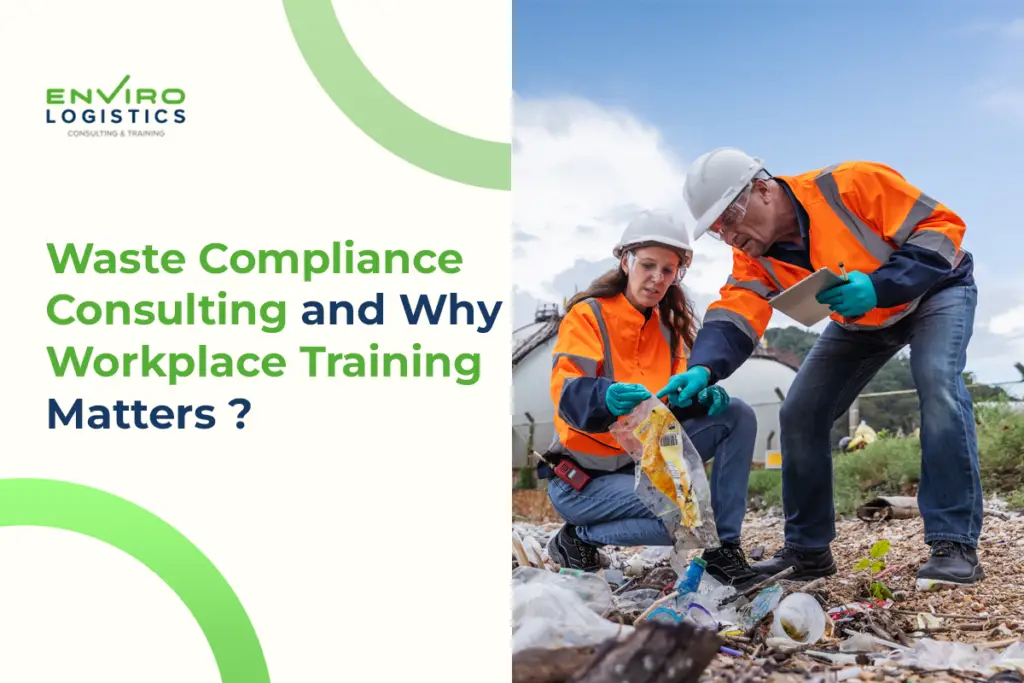
Waste management is no longer something businesses can treat as an afterthought. Regulations have become stricter, documentation requirements have increased, and regulators expect organisations to demonstrate that they are handling waste responsibly at every stage.
Many companies invest in systems, policies, and procedures, but still experience compliance issues. In many cases, the problem is not the process itself. The issue often lies in how employees handle waste on a daily basis.
This is where waste compliance consulting and waste management training in workplace environments work together. One provides expert guidance and compliance oversight. The other ensures employees understand their responsibilities and apply the correct procedures consistently.
When combined, they help businesses reduce risk, improve operational efficiency and compliance standards , and maintain regulatory compliance with confidence
Understanding Waste Compliance Consulting
Waste compliance consulting involves working with specialists who help organisations understand and meet their legal obligations regarding waste management.
Businesses generate different types of waste, from general commercial waste to hazardous materials. Each category comes with specific requirements relating to storage, transportation, documentation, and disposal.
A waste compliance consultant reviews existing practices and identifies areas where improvements may be needed. This often includes:
- Reviewing waste management procedures
- Assessing compliance with current regulations
- Examining waste transfer documentation
- Identifying potential compliance risks
- Preparing businesses for inspections and audits
- Providing guidance on environmental responsibilities
Many organisations assume they are fully compliant until an inspection reveals gaps in their processes. Professional waste compliance consulting helps identify these issues before they become costly problems.
Common Waste Compliance Challenges Businesses Face
Compliance failures rarely happen because organisations deliberately ignore regulations. More often, they occur because small mistakes accumulate over time.
Some of the most common issues include:
Incorrect Waste Segregation
Employees may place waste into the wrong containers due to confusion or lack of awareness. This can create environmental risks and increase disposal costs.
Incomplete Documentation
Waste transfer notes, consignment notes, and other records must be maintained accurately. Missing paperwork can lead to compliance concerns during inspections.
Lack of Employee Awareness
Staff members who handle waste daily may not fully understand legal requirements or company procedures.
Poor Internal Monitoring
Without regular reviews, businesses may overlook problems that gradually develop within their waste management systems.
Changes in Regulations
Waste legislation continues to evolve. Companies that fail to stay informed may unknowingly fall behind current requirements.
These challenges demonstrate why expert waste compliance consulting has become an important part of modern business operations.
Why Waste Management Training in Workplace Settings Is Essential?
Policies and procedures are only effective when employees understand them.
Waste management training helps employees understand: A company can have excellent compliance procedures on paper, yet mistakes can still occur when staff have not received proper training. This is why waste management training in workplace environments plays such an important role in compliance success.
- Types of waste generated within the organisation
- Correct waste segregation procedures
- Storage and handling requirements
- Documentation responsibilities
- Environmental impacts of improper disposal
- Company-specific waste management policies
Employees who understand the reasons behind compliance procedures are generally more likely to follow them consistently.
Training also creates accountability. It helps employees recognise their role in waste management and understand how everyday decisions can affect compliance standards.
How Training Supports Long-Term Compliance?
Compliance is not a one-time activity. It requires continuous attention.
Even organisations with strong waste management systems can encounter problems when staff turnover occurs or new regulations are introduced.
Regular waste management training in workplace settings helps businesses maintain consistency over time.
Training programs can provide:
Refresher Sessions
Refresher sessions can help employees retain important information and apply workplace procedures more confidently.
New Employee Induction
New team members can learn correct waste handling practices from the beginning.
Regulatory Updates
Training provides an effective way to communicate changes in legislation and industry requirements.
Improved Workplace Culture
Employees become more aware of environmental responsibilities and compliance expectations.
When training becomes part of everyday business operations, compliance becomes a shared responsibility rather than a task handled solely by management.
How Waste Compliance Consulting and Training Work Together?
Many businesses focus on one area while overlooking the other.
Compliance improvements are difficult to sustain if employees have not been properly trained on the procedures they are expected to follow. Conversely, some organisations train staff regularly but never conduct independent compliance reviews.
A balanced approach that includes professional guidance and employee education often delivers the best results.
Waste compliance consulting helps identify risks, weaknesses, and opportunities for improvement.
Waste management training in workplace environments ensures those improvements are understood and implemented by employees.
Together, they create a practical framework for compliance.
For example, a consultant may identify recurring documentation errors during a compliance review. A targeted training session can then address those specific issues and reduce future mistakes.
Similarly, training programs may reveal areas where employees require additional guidance, leading to further improvements in company procedures.
This combination creates a cycle of continuous improvement that supports both compliance and operational efficiency.
Signs Your Business May Need Additional Support
Many organisations wait until a problem occurs before seeking professional guidance.
However, there are several warning signs that suggest support may be beneficial.
These include:
- Frequent waste handling errors
- Missing or incomplete documentation
- Staff uncertainty regarding procedures
- Compliance concerns raised during inspections
- Increased waste management costs
- Rapid business growth creating new compliance challenges
Addressing these issues early can prevent larger problems in the future. This is where experienced waste compliance consulting services can help prevent costly compliance issues
Building a Stronger Compliance Culture
Effective waste management is about more than meeting legal requirements.
It reflects how an organisation approaches responsibility, accountability, and environmental performance.
Businesses that invest in waste compliance consulting and waste management training in workplace environments often experience benefits beyond compliance itself.
They may see improved operational consistency, better employee engagement, stronger environmental performance, and reduced risk exposure.
Most importantly, they create systems that support long-term success rather than relying on short-term fixes.
Partner with EnviroLogistics Consulting & Training
Managing waste compliance can be challenging, particularly as regulations continue to evolve and operational demands increase.
EnviroLogistics Consulting & Training helps organisations across the UK strengthen their compliance practices through practical guidance, professional training, and industry expertise. From waste compliance consulting and environmental support to workplace waste management training programmes, their team works closely with businesses to identify risks, improve processes, and support ongoing compliance objectives.
Frequently Asked Questions
What is waste compliance consulting?
Waste compliance consulting involves professional guidance to help businesses meet legal waste management requirements, improve procedures, and reduce compliance risks.
Why is waste management training in workplace environments important?
Waste management training in workplace environments helps employees understand waste handling procedures, documentation requirements, and environmental responsibilities, reducing the likelihood of compliance failures.
How often should workplace waste management training be conducted?
Many organisations provide training during employee induction and conduct refresher sessions annually or whenever significant regulatory changes occur.
Can waste compliance consulting help prepare for inspections?
Yes. Waste compliance consulting can help review existing systems, identify compliance gaps, assess documentation, and prepare businesses for regulatory inspections and audits.
Which industries benefit from waste compliance consulting?
Manufacturing, construction, logistics, waste management, healthcare, retail, and many other sectors can benefit from professional waste compliance consulting support.