Lessons From a Recent A303 Lorry Crash
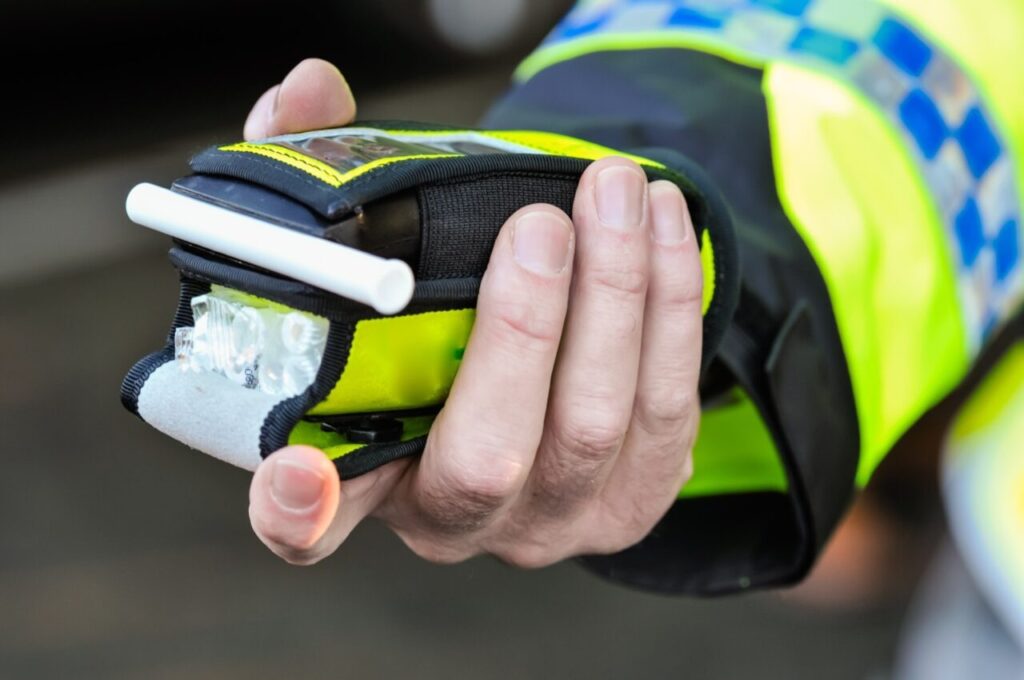
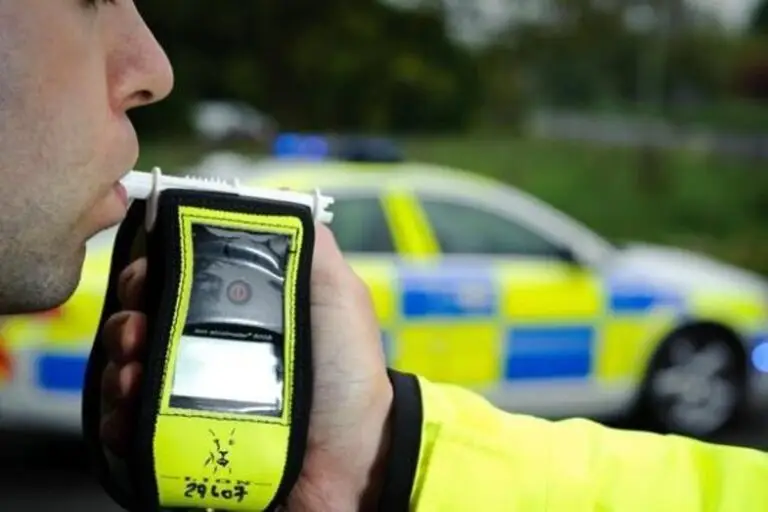
A lorry crash on the A303 involving a driver arrested on suspicion of drink-driving is more than just another headline.
For UK transport operators, incidents like this trigger serious questions from regulators, insurers, and clients alike.
When a commercial vehicle is involved, responsibility rarely stops with the driver. Investigations quickly expand to examine operator licence compliance, safety systems, and management oversight.
What appears to be a single lapse can rapidly become a business-critical issue.
Commercial Driving Impairment Raises Business Risks
Driving an HGV demands constant attention, sound judgement, and fast, accurate reactions. At up to 44 tonnes, these vehicles require significantly longer stopping distances and leave little margin for error.
Alcohol or drugs—even in small amounts—reduce reaction time, impair concentration, and affect decision-making.
The consequences can be severe:
Serious injury or fatalities
Road closures and infrastructure damage
Significant financial loss
Long-term reputational harm
For operators, the impact extends far beyond the incident itself. It can affect:
Insurance premiums
Contract stability
Regulatory relationships
Business continuity
Impairment is not just a personal failing.
It is a business risk that must be actively managed.
Legal Consequences Extend Beyond the Driver
If a driver is found to be under the influence, they may face prosecution, disqualification, fines, and potentially imprisonment.
However, scrutiny rarely ends there.
Under operator licensing regulations, licence holders must ensure vehicles are operated safely and legally at all times. Traffic Commissioners consistently emphasise the need for active and effective management control, not just written policies.
Following a serious incident, regulators will assess:
Whether drug and alcohol controls were in place
The effectiveness of supervision and monitoring
Training provided to transport managers and staff
Evidence of ongoing compliance
If deficiencies are identified, a Public Inquiry may follow.
Potential outcomes include:
Licence curtailment
Suspension or revocation
Disqualification of directors or transport managers
Under the Health and Safety at Work etc. Act 1974, senior leaders may also face personal liability where offences occur through consent, connivance, or neglect.
What begins as a roadside arrest can quickly become a boardroom issue.
Drug and Alcohol Testing: A Critical Control Measure
Effective testing programmes are not about mistrust—they are about demonstrating control, protecting lives, and ensuring compliance.
A robust approach typically includes:
A clear, legally compliant policy
Purposeful pre-employment screening
Proportionate random testing
For-cause testing based on reasonable suspicion
Post-incident testing procedures
Clear disciplinary and reporting frameworks
Testing alone is not enough.
Transport managers and supervisors must be trained to:
Recognise signs of impairment
Document concerns correctly
Act confidently within established procedures
Without proper training, even well-written policies lose effectiveness.
Don’t Wait for a Public Inquiry
Many operators only review their drug and alcohol controls after an incident.
By then, the situation has already escalated.
Regulators don’t just ask what happened — they ask:
Was there a compliant system in place?
Was it actively enforced?
Was management exercising proper oversight?
If the answers are unclear, the consequences can be severe.
What a Defensible System Looks Like
Operators with strong compliance frameworks typically have:
Up-to-date, legally aligned policies
Consistent and documented testing procedures
Clear escalation and disciplinary processes
Trained and accountable management
Regular policy reviews reflecting current guidance
These are the businesses that withstand scrutiny.
Beyond Compliance: Building a Safety-First Culture
Policies alone do not prevent incidents. Systems must be embedded into daily operations.
Operators who treat drug and alcohol controls as routine—alongside vehicle checks and drivers’ hours monitoring—create operational resilience.
The benefits are clear:
Reduced incident risk
Stronger regulatory confidence
Improved insurer relationships
Greater contract stability
Enhanced industry reputation
Waiting for an incident to expose weaknesses is costly.
Prevention is always the more effective strategy.
Final Thoughts
A truck crashes. A driver is arrested. The headline fades within days.
But regulators continue asking questions.
Were licence undertakings upheld?
Were effective controls in place?
Was management actively overseeing compliance?
One preventable failure can trigger regulatory action, financial loss, and lasting reputational damage.
Drug and alcohol testing is not an optional extra.
It is a core component of responsible transport governance.
How Envirologistics Consulting & Training Can Help
At Envirologistics Consulting & Training, we support transport operators in developing clear, legally compliant drug and alcohol frameworks aligned with UK operator licensing and workplace safety requirements.
Our policies are designed to reflect how transport businesses operate in practice—ensuring they are both practical and defensible.
Each framework is tailored to the structure and risk profile of your operation, helping you:
Protect your drivers
Safeguard your operator licence
Strengthen leadership accountability
Demonstrate compliance with confidence
If your current systems were scrutinised tomorrow, would they stand up to a Public Inquiry?
Final Note
In transport, protection comes from preparation.
From systems that are established, understood, and consistently applied—long before they are ever tested.
Be proactive, not reactive.